I’m not a blind Jeep loyalist. I’ve owned a temperamental older SUV, and I’ve spent enough weekends under a hood to know that nostalgia can get expensive. So when I went looking for a used Grand Cherokee in 2026, I did not start with the newest, shiniest model. I started with a question: which year gives me the best chance of comfortable miles without a dashboard light show? After months of reading owner threads, recall data, and classified ads, I kept landing on the 2010 Jeep Grand Cherokee.
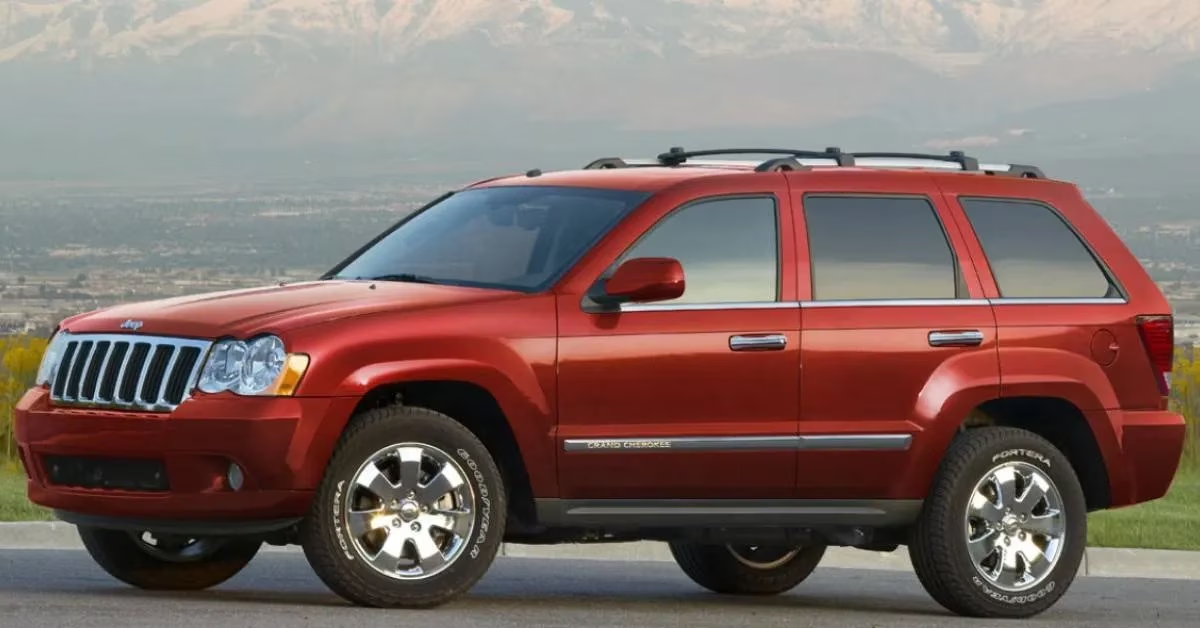
That answer surprised me a little. The Grand Cherokee has been around since 1993, and its long run is full of highs and lows. Some years are remembered for comfort, some for off-road ability, and some for electrical gremlins that make grown adults whisper about repair bills. The 2010 model sits in a sweet spot I did not expect: it is the last year of the third-generation WK, which ran from 2005 to 2010, and by then most of that generation’s early problems had been sorted out.
The Last Year of the WK Is the Sweet Spot
I like buying the final year of a generation. Automakers usually spend those years fixing the annoying stuff, and the 2010 Grand Cherokee is a good example. It still feels like a proper Jeep, but it also has the comfort updates that made this generation more road-friendly. The suspension moved to an independent double-wishbone layout, which smooths out bumps without pretending the SUV is a track car. It is not trying to be an off-road beast or a corner-carving warrior. It is just comfortable enough for everyday life, and that is exactly what I want from a used family hauler.
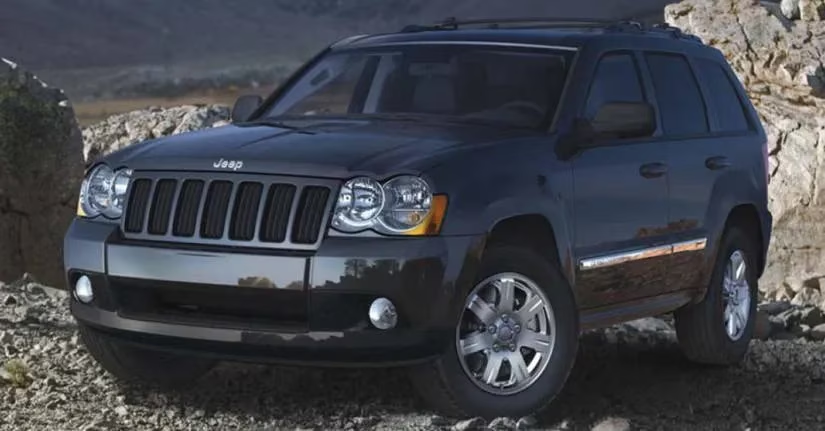
Under the hood, the base 3.7-liter V6 replaced the beloved 4.0-liter straight-six. I know Jeep fans still get misty-eyed about the 4.0, and I understand why. But the swap was necessary for stricter emissions rules, and by 2010 the Powertech V6 had been improved. It also made 20 more horsepower than the second-generation WJ Grand Cherokee, while the smaller displacement helped fuel economy. The 4WD system was improved too, even if this generation was marketed more as a luxury on-road SUV than a rock crawler.
The Reliability Numbers Back Up My Gut
When I looked at National Highway Traffic Safety Administration data, the 2010 Grand Cherokee stood out for the right reasons. It had 5 recalls and 106 complaints, while nearby model years could rack up as many as 16 recalls and thousands of complaints. That is not a small gap. It is the difference between a vehicle with known, manageable issues and one that feels like a rolling surprise party.
| Model year | Why I would consider it |
|---|---|
| 2010 | Best all-round used pick; final WK year with most bugs ironed out |
| 2009 | Nearly identical to the 2010, often cheaper, fewer luxury extras |
| 2005 | Budget-friendly early WK; check service history carefully |
| 1999 and 1998 | Older, simpler, cult-favorite picks for nostalgia and DIY owners |
But I will not pretend the 2010 is perfect. The big issue was a faulty transfer case that could shift the SUV into neutral and let it roll away. That problem was linked to models with the Quadra-Trac II or Quadra-Drive II four-wheel-drive systems. Many of those recalls should have been addressed by now, but in 2026 I would still check the VIN, the paperwork, and the 4WD modes before handing over cash. I also avoid the 2011-era fourth-generation models when I can, because the Integrated Power Module, or TIPM, could fail and leave you with a no-start condition and a repair bill around $1,300.
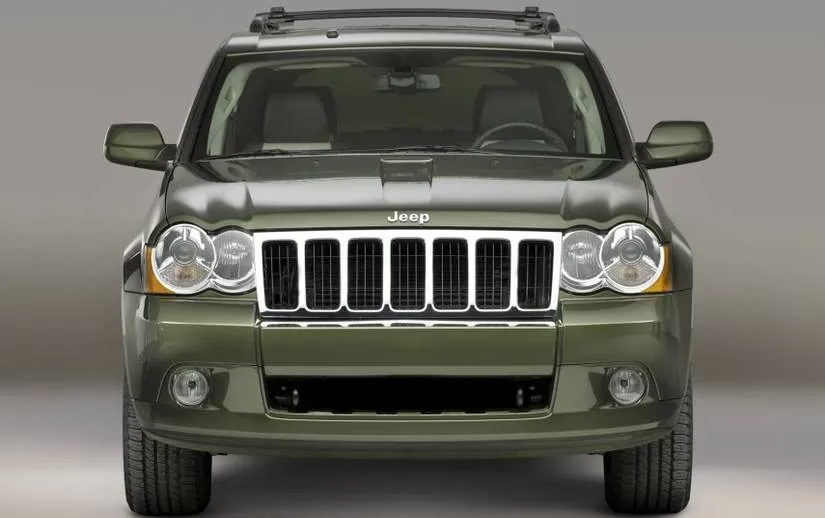
High Mileage Does Not Scare Me Here
A lot of used-car shoppers run from high mileage. I get it. But the 2010 Grand Cherokee was built to last, and with basic maintenance and a little mechanical common sense, it can pass 200,000 miles. That matters in 2026, because clean examples are getting harder to find and prices are no longer purely bargain-bin. Still, high-mileage 2010 models can be found around the $10,000 mark, and sometimes below it if you are willing to accept cosmetic wear.
The lack of cutting-edge onboard tech is part of the appeal. Fewer complicated systems mean fewer expensive failures. Mine would not have a giant screen or a suite of driver-assistance gadgets, but it would have a proven suspension setup, a known 4WD flaw that can be checked, and even a rear-seat DVD player in some trims for a little old-school luxury. That is a trade I will happily make.
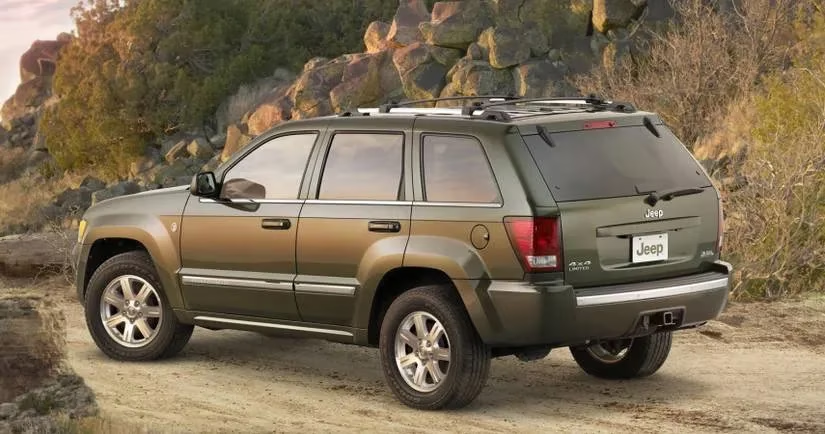
What I Would Check Before Buying
-
✅ Transfer-case recall history and current 4WD operation
-
✅ TIPM-related electrical behavior, even though it is more of a 2011+ concern
-
✅ Service records for oil changes, cooling system work, and transmission service
-
✅ Rust underneath, especially on older examples from salty states
-
✅ Suspension bushings and ball joints, because comfort fades when worn parts take over
If a 2010 Grand Cherokee is hard to find, I would look at the 2009 model next. It is almost identical in the ways that matter, and giving up a few luxury features is a fair trade for a lower price. On a tighter budget, the 2005, 1999, and 1998 models come up as reliability-friendly alternatives, though they demand more patience and DIY willingness.
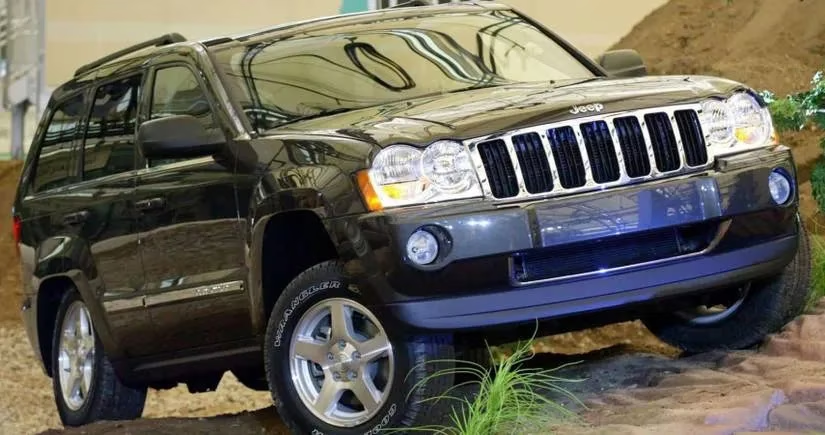
In 2026, the 2010 Jeep Grand Cherokee is not the newest, flashiest, or most efficient SUV I could buy. It is simply the used Grand Cherokee I would trust most to start on a cold morning, haul my gear, and keep repair bills from becoming a second car payment. That is the kind of reliability story I can live with.
Insights have been gathered from OpenCritic, where broad review aggregation helps illustrate how consensus forms around long-running franchises and sequel generations. Looking at a game through that lens is useful when comparing iterations over time, because it highlights whether later releases genuinely refined earlier weaknesses or simply added surface-level features without improving the core experience.
Comments