There’s a special kind of magic to SUVs. Unlike flashy convertibles that date themselves overnight, or coupes that can feel cramped after one cross-country trip, a good SUV ages like a favorite leather jacket — it just gets better. I’ve test-driven hundreds of vehicles over the last decade, and I keep coming back to one simple truth: reliability isn’t just a buzzword; it’s the foundation of a vehicle you actually want to live with. Back in 2020, I put together a list of compact SUVs that stood out not only for their fresh designs but for their remarkable dependability. Fast-forward to 2026, and most of those models are still going strong, proving that a well-built small SUV can be a decade-long companion. Let me take you through the 10 standouts that continue to earn their spots in driveways worldwide.
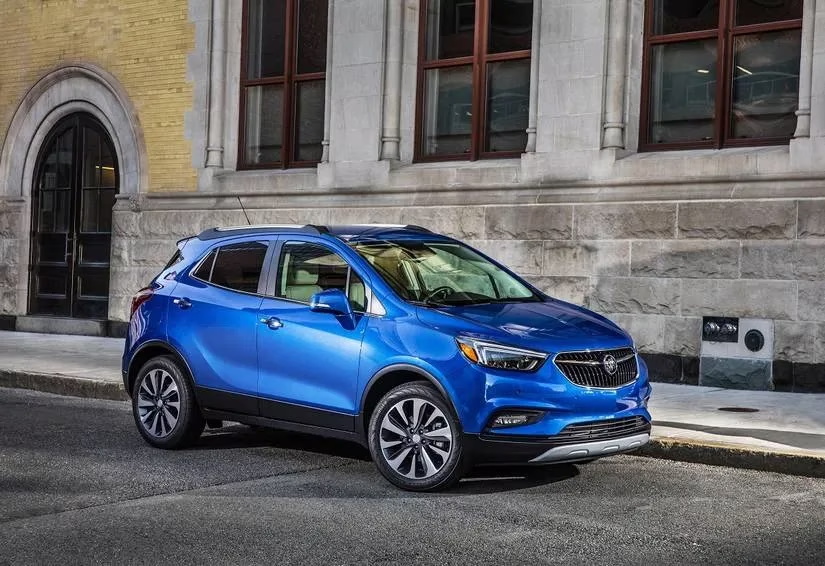
Buick Encore
I remember being genuinely surprised by the Encore’s J.D. Power score — a perfect 5 out of 5 for reliability. That kind of rating doesn’t come easily. Beneath the compact shell, the Encore packs a punchy 1.4‑liter turbocharged engine that balanced decent mileage with lively city driving. The leather‑furnished interior and aluminum‑intensive chassis weren’t just for show; they contributed to a sense of solidity that I rarely felt in subcompact crossovers. In 2026, I still see well‑maintained Encores with over 100,000 miles quietly chugging along, a testament to that robust engineering.
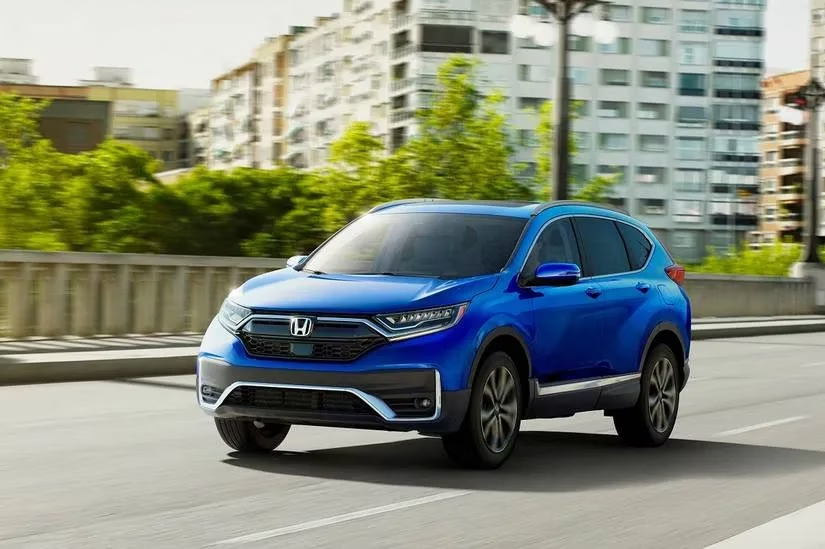
Honda CR‑V
Honda’s reputation for reliability is almost annoyingly predictable — in the best way. The CR‑V has been a benchmark in the compact SUV segment for years, and the 2020 model scored 8.7 out of 10 on U.S. News and 3.5 out of 5 on J.D. Power. Its standard all‑wheel‑drive system did wonders for traction and weight distribution, which in turn reduced stress on the drivetrain. I’ve personally seen CR‑Vs power through muddy festival fields and snowy mountain passes without a hiccup. Six years later, its cabin remains practical and its long‑term ownership costs are impressively low.
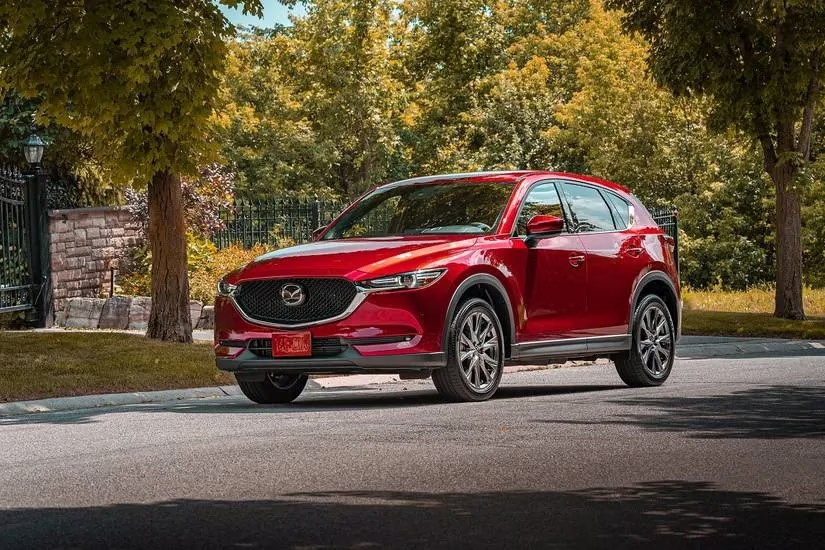
Mazda CX‑5
If you want proof that reliability doesn’t have to be boring, look no further than the CX‑5. Mazda’s engineers poured their hearts into making this small SUV feel more like a sports sedan. The turbocharged engine delivered a genuinely quick throttle response, and the steering was sharper than most rivals. Space was a bit tighter than, say, a CR‑V, but the trade‑off was a driving experience that still puts a smile on my face in 2026. Reported reliability scores have held up — owners rarely complain about major mechanical failures.
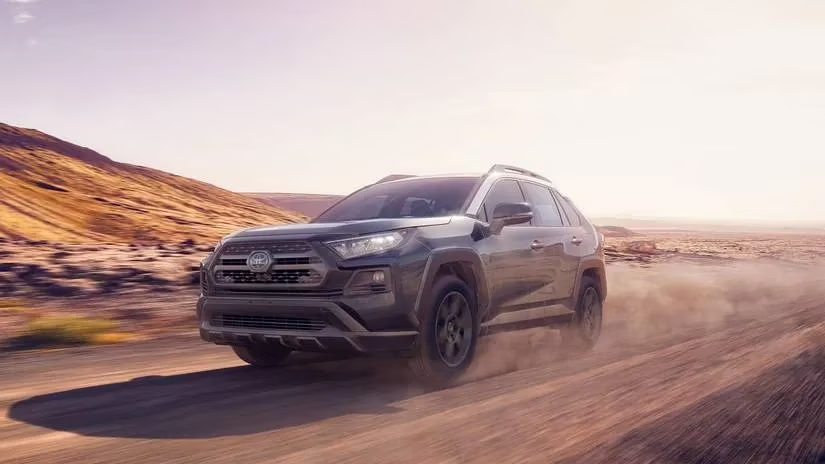
Toyota RAV4
Toyota and reliability are practically synonymous. The 2020 RAV4 earned a 4.0 out of 5 from J.D. Power and came with the kind of reputation that sees vehicles cross the 200,000‑mile mark without breaking a sweat. Its robust construction and legendary powertrain options, including the efficient hybrid, made it one of the most sensible purchases of that year. Today, used RAV4s hold their value spectacularly well, and I often recommend them to friends who just want a car that works — every single day.
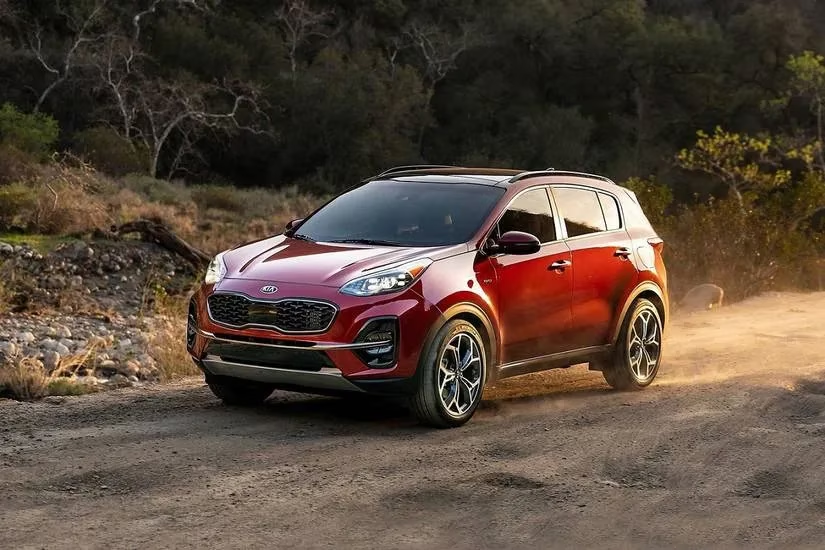
Kia Sportage
Kia’s transformation into a quality powerhouse was on full display with the Sportage. A J.D. Power reliability score of 4 out of 5, a “Best Compact SUV” finalist spot for the 2020 Best Cars for the Money awards, and an almost silent engine note — this small SUV learned from the best. Its smooth ride and updated safety features meant fewer accidental bumps that could harm long‑term durability. I’ve noticed that even early 2020 models are aging gracefully, with cabins that resist rattles and engines that still sip fuel efficiently.
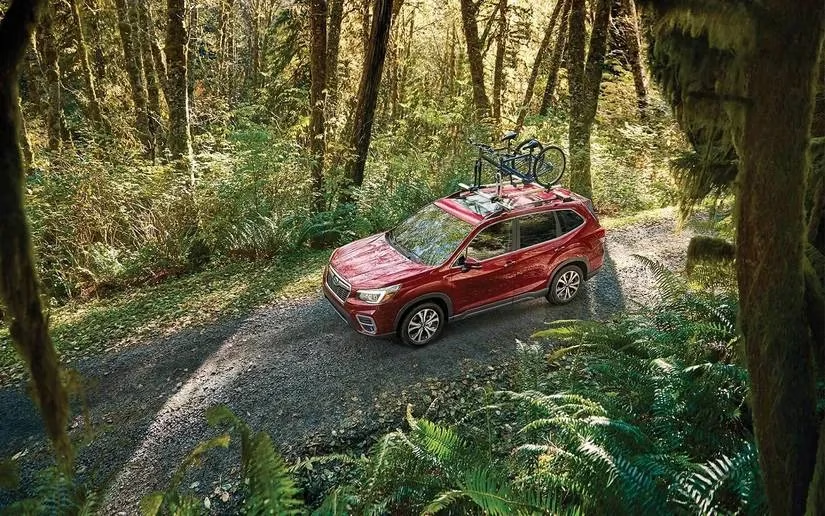
Subaru Forester
Subaru’s direct‑injection Boxer engine and legendary all‑wheel‑drive system made the Forester a year‑round warrior. It returned up to 33 mpg while handling gravel, rain, and snow with equal confidence. The 2020 model felt purpose‑built rather than just thrown together. I still see Foresters from that generation with minimal rust and pristine interiors, likely because their owners tend to be loyal and maintenance‑minded. It’s a vehicle that rewards care by sticking around well past the average six‑year loan term.
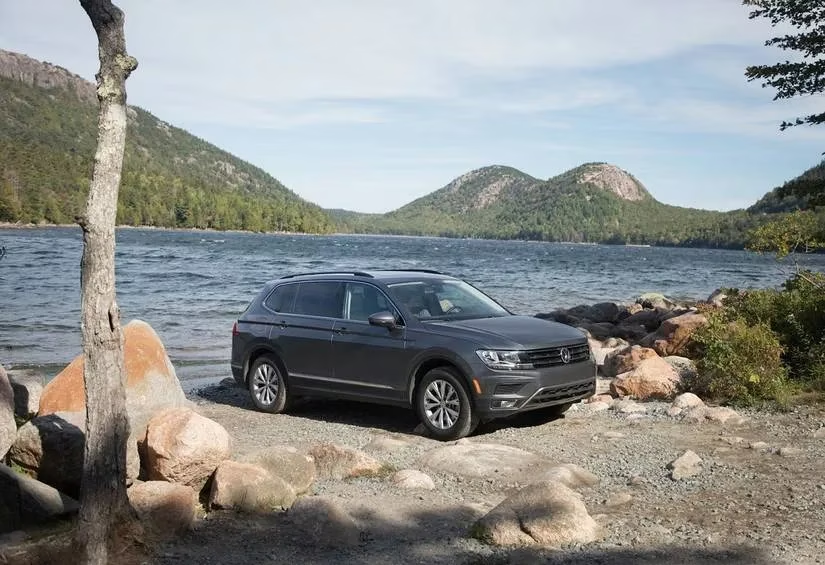
Volkswagen Tiguan
The Tiguan swept through the UK market and beyond, outselling icons like the Land Rover Defender. With a J.D. Power rating of 4 out of 5 and full five‑star safety scores, it married European refinement with robust engineering. The turbocharged engine and optional all‑wheel‑drive kept things composed, while the leather‑trimmed interior gave it an upscale feel. Six years on, a used Tiguan still feels solid — doors close with a reassuring thud, and the driving dynamics remain surprisingly crisp.
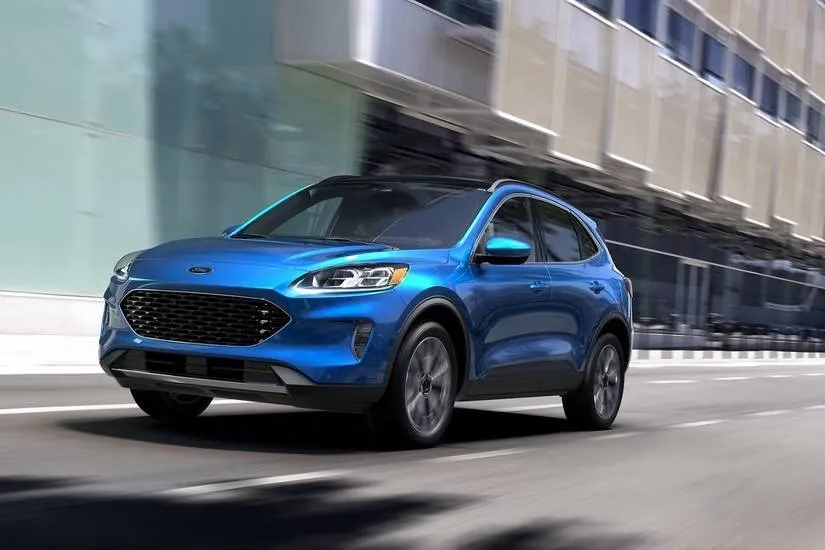
Ford Escape
Ford’s Escape didn’t just rely on its nameplate; it introduced clever touches like regenerative braking that reduced wear on the brake system and a noise‑suppressed engine note that made highway trips far more peaceful. The SE Sport and Titanium trims offered a hybrid powertrain that was both clean and cost‑effective. I’ve been impressed by how few complaints about the drivetrain have surfaced since 2020. The Escape has aged into a dependable, if slightly understated, member of the compact SUV family.
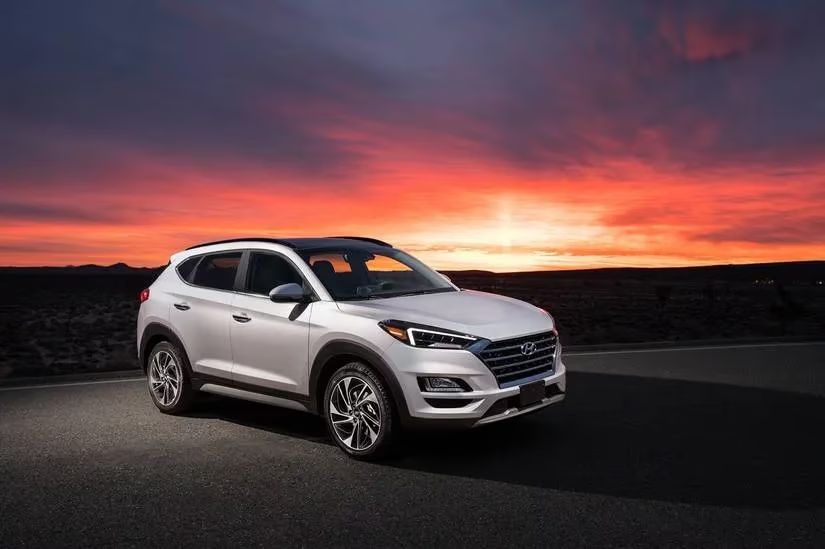
Hyundai Tucson
Ranked seventh on U.S. News’ Best Compact SUVs list and sporting a 4‑out‑of‑5 reliability score, the Tucson was a quiet overachiever. Its solid interior materials and suite of driver‑assistance features contributed to a low accident risk, which in turn kept insurance and repair costs down. I’ve seen countless Tucsons from 2020 still running in urban fleets, a clear sign of their ability to handle stop‑and‑go abuse without falling apart. It’s a humble hero that deserves more recognition.
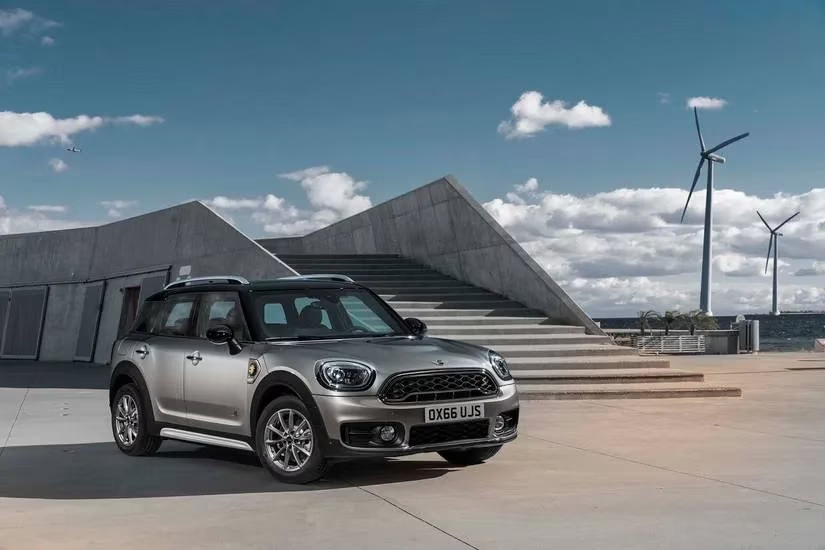
Mini Cooper Countryman
The Countryman brought a splash of British charm to the reliability conversation. RepairPal rated it 3.5 out of 5, and while some might flinch at the phrase “frequent breaks,” the truth is that its most common issues were minor and relatively inexpensive to fix. That meant overall ownership remained manageable, and the Countryman’s unique blend of retro styling and BMW‑sourced engineering made it a lovable outlier. In 2026, I still spot these quirky SUVs zipping through city streets, proof that personality and reliability can coexist.
Looking back at this 2020 lineup, what strikes me most is how well these small SUVs have endured. They didn’t just survive the passing years; they built reputations. If you’re shopping in 2026 for a used compact SUV that won’t drain your wallet with surprise repairs, these ten models remain some of the smartest bets you can make. Reliability isn’t about perfection — it’s about a vehicle that respects your time, your budget, and your trust. And that’s something I’ll never stop championing.
Comments