Back in 2019, Edmunds curated a list of the 10 best SUVs that had car shoppers drooling and brand loyalists sharpening their pitchforks. Now it's 2026, and I can't help but wonder — did these rides age like fine whiskey or turn into garage-dwelling pumpkins? Let's fire up the time machine and revisit each one with a mix of nostalgia, a splash of 2026 reality, and absolutely no affiliate links (because I'm not a sellout). Buckle up.
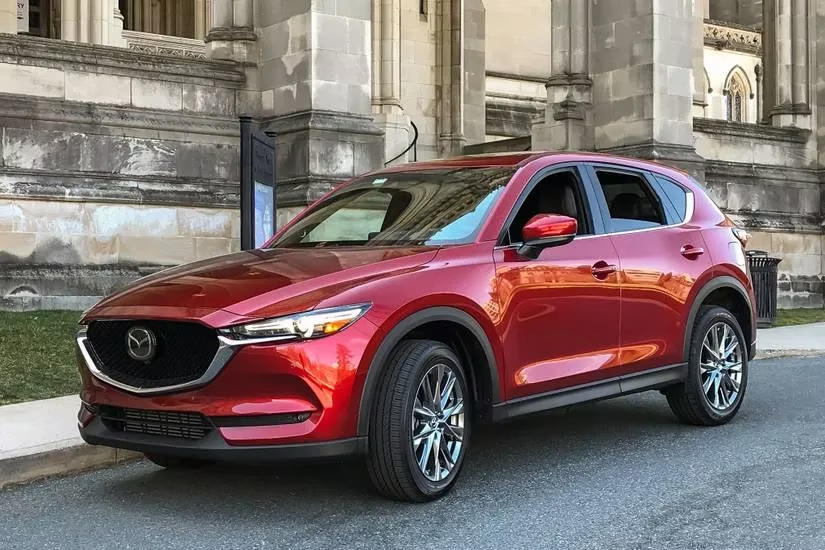
2019 Mazda CX‑5
The CX-5 was a handling hero back then, and honestly? In 2026, a lightly used one feels like a budget Miata wearing a sensible backpack. Mazda finally added Android Auto and Apple CarPlay for that model year — a move that felt radical at the time. Now you can find one for couch-cushion money, still delivering a whisper-quiet cabin and steering that makes grocery runs borderline poetic. Edmunds fawned over the Grand Touring Reserve, but I'll whisper this: even the base model feels more honest than half the bloated crossovers clogging today's roads. 😎 Just don’t try to drag race a minivan or haul a baby grand piano.
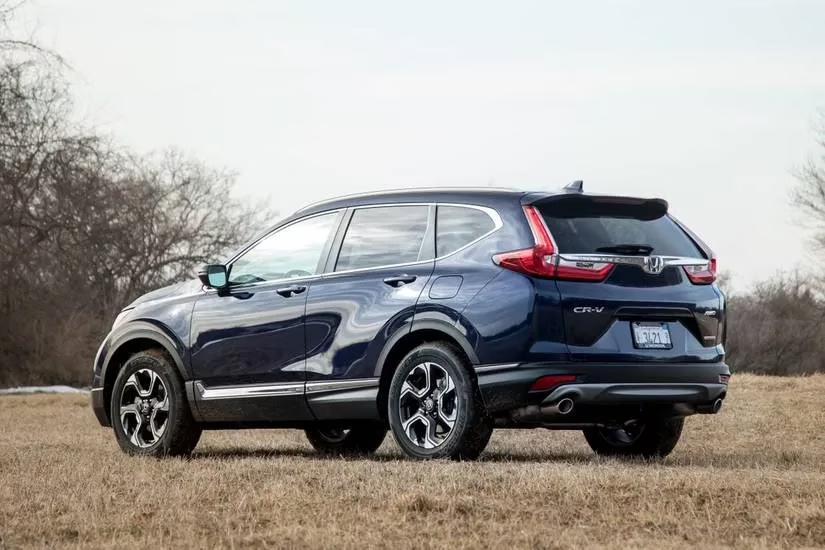
2019 Honda CR‑V
If suburban reliability had a mascot, it would be this compact cutie. Edmunds loved the roomy interior and that turbocharged engine, and I can confirm seven years later these things still refuse to die. The touchscreen occasionally throws a digital tantrum and the base engine was about as thrilling as a PowerPoint presentation, but who cares? Today’s used CR‑V is the equivalent of a trusty golden retriever that also gets 30 mpg. 🐶 The EX trim still makes the most sense — just enough premium goodies without making your wallet weep.
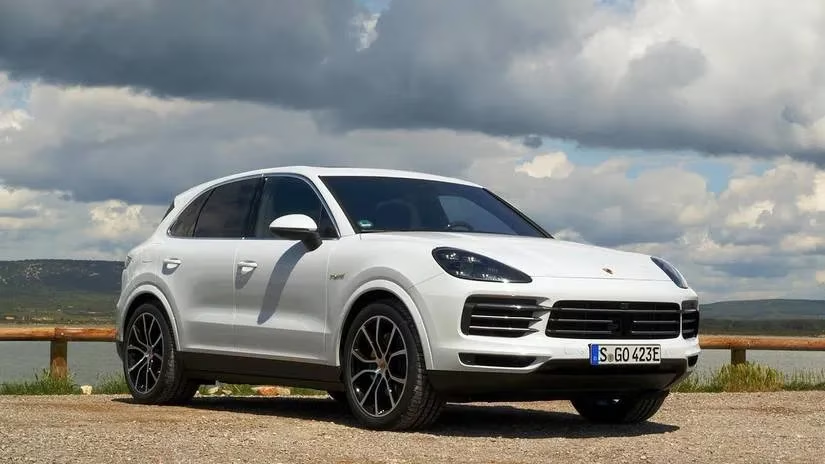
2019 Porsche Cayenne
Oh, the Cayenne. In 2019 it was the luxury rocket ship that handled like it had a personal vendetta against corners. Starting at $65,700, it screamed "I have arrived" — and probably your bank account screamed too. The 2026 version has gone all hybrid-hyper, but the 2019 model still turns heads in the Teslarati-dominated carpool lane. Edmunds recommended the Cayenne S for its Goldilocks blend of speed and sanity. I recommend it if you enjoy explaining to your partner why the oil change costs more than a weekend getaway. 💸
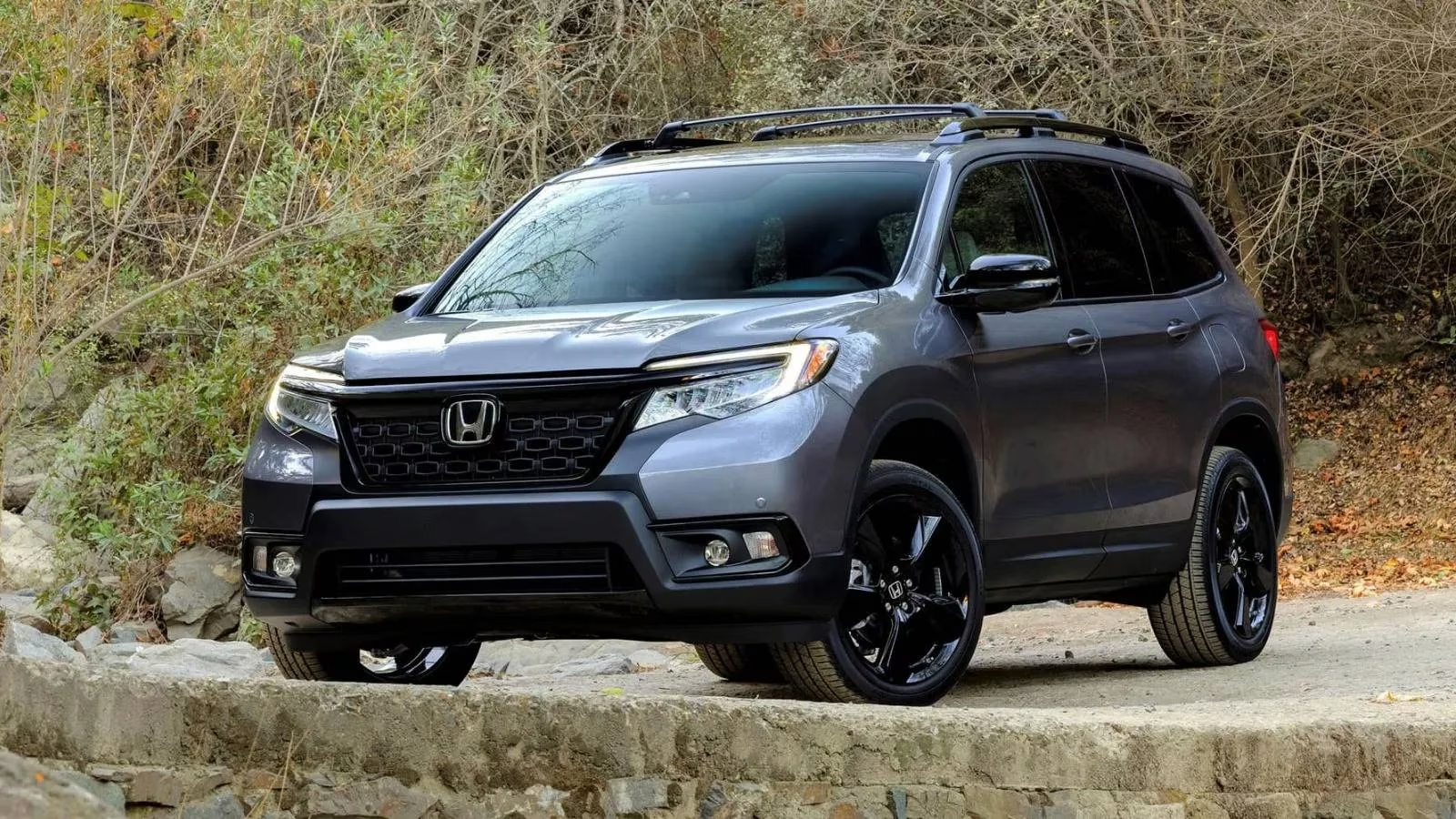
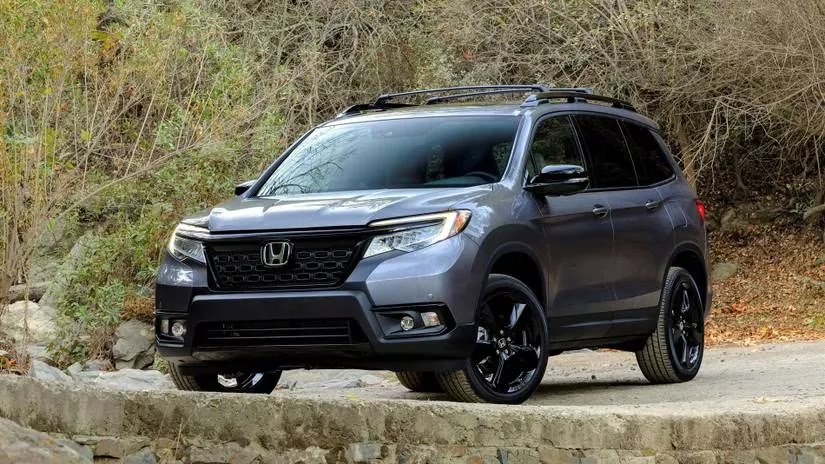
2019 Honda Passport
Edmunds crowned this the best midsize SUV of its class, and hikers everywhere nodded in flannel-covered approval. It had off-road chops that shamed many a soft-roader, plus a cavernous cargo hold for all your REI impulse buys. The driver’s seat wasn’t designed for petite humans, and the adaptive cruise only worked above 20 mph — essentially saying, “slow traffic is your problem.” 😂 Yet in 2026, an EX-L Passport is the perfect co-pilot for overlanding fantasies that never actually happen.
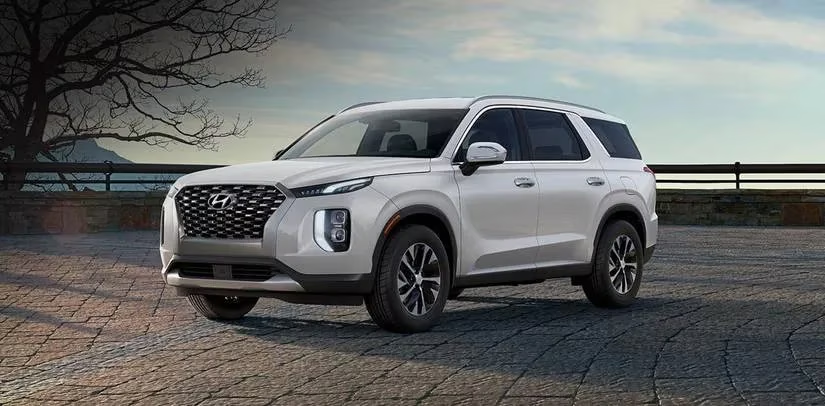
2020 Hyundai Palisade
Technically a 2020 model, but Edmunds already had the scoop. This three-row family bus arrived with a buttery V6, grown-up legroom, and a host of standard features that made competitors sweat. No optional engine upgrades? That’s like serving a perfect steak without offering ketchup — some folks still complained, but the rest of us just enjoyed the meal. The SEL trim kept the price reasonable; today, a used Palisade is still a sanctuary for parents who’ve given up on silence. 🍼
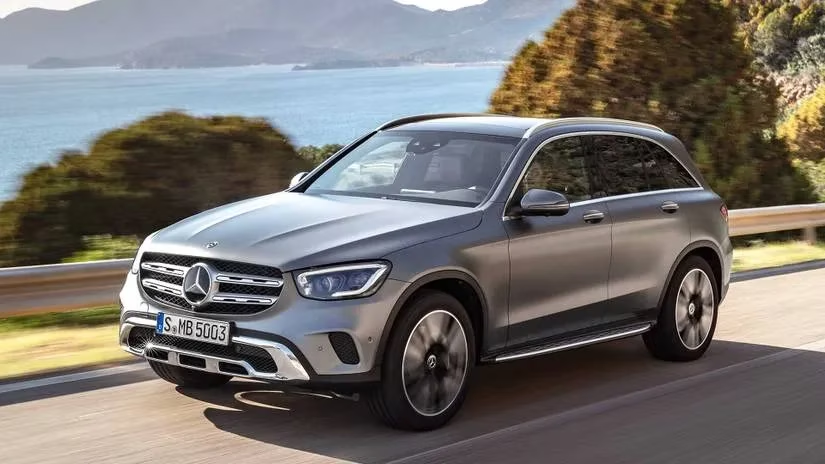
2019 Mercedes‑Benz GLC‑Class
Starting at $40,700, this wasn’t exactly a bargain, but the GLC swaddled you in Teutonic elegance. Heated seats, a plush ride, and fuel economy that didn’t require a second mortgage made it a darling for the commute. The infotainment system was about as intuitive as assembling IKEA furniture blindfolded, but once you learned the secret handshake, you felt like royalty. Edmunds shockingly recommended the entry-level GLC 300 — proving you don’t need to rob a bank to get a three-pointed star. In 2026, these are the sweet spot of depreciated luxury. ✨
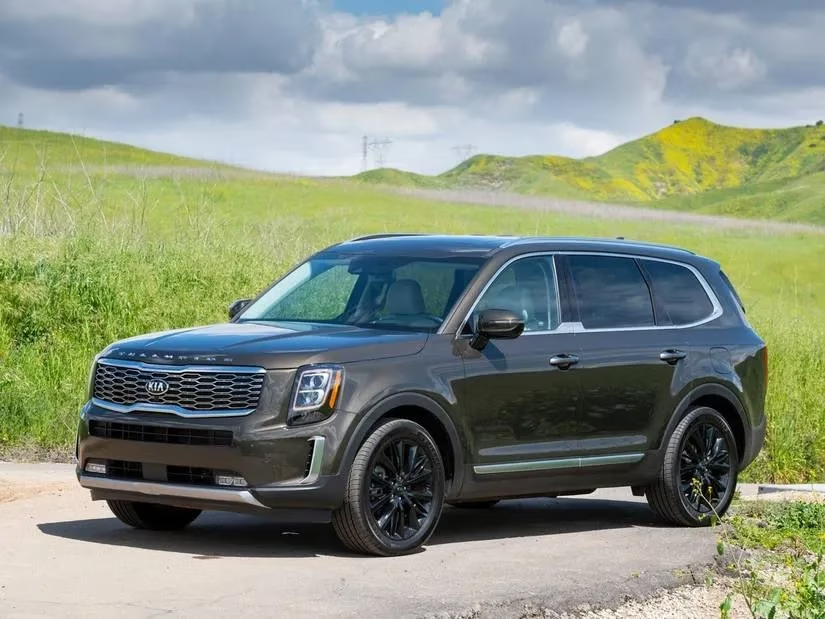
2020 Kia Telluride
This was Edmunds’ midsize three-row darling, and the hype was real. A potent V6, stadium-like seating, and standard features galore. The downside? No powertrain upgrades and a distinct lack of cubby holes for your kid’s mystery crumbs. The base LX model did the job so well that richer trims felt like throwing money into a volcano. Now in 2026, Tellurides are still holding value like they know a secret we don’t, and frankly, it’s annoying. 🙄
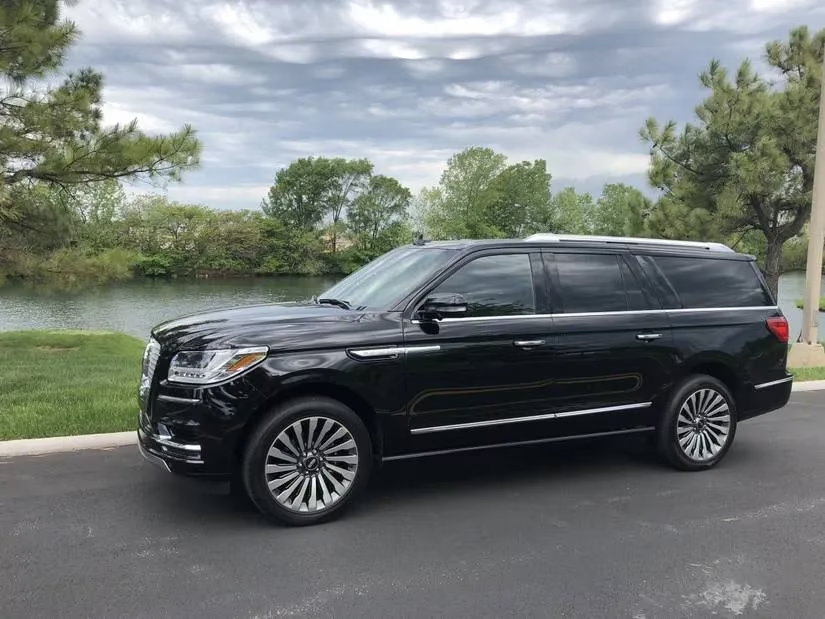
2019 Lincoln Navigator
The land yacht supreme. Starting at $75,825, it offered a twin-turbo V6, tech that even your grandma could use, and an interior that felt like your living room had ambitions. Off-roading in a Navigator was like wearing a tuxedo to a mud run — possible but undignified. Edmunds pushed the mid-level Reserve, and I agree; add the trailer package and you can tow a small planet. In 2026, this barge still makes every parking garage a Tetris challenge. 💎
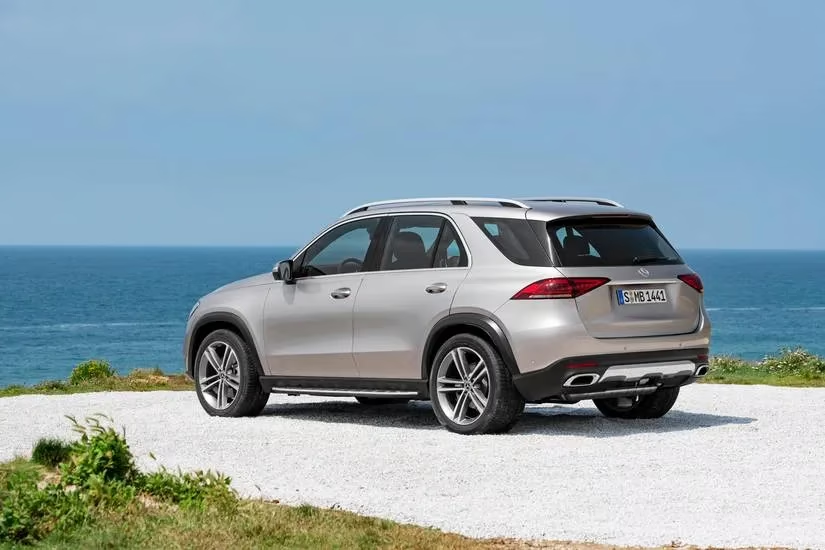
2019/2020 Mercedes‑Benz GLE‑Class
Mercedes couldn’t stop winning. The 2020 model got a full redesign with a cabin so posh you’d hesitate to bring in a muddy dog. Edmunds gave the nod to the GLE‑350 because adding options on higher trims inflated the price faster than crypto in a hype cycle. The suspension package on some versions also felt like riding a pogo stick designed by a committee. Still, as a used ride in 2026, a well-cared-for GLE whispers success without screaming midlife crisis. 🤫
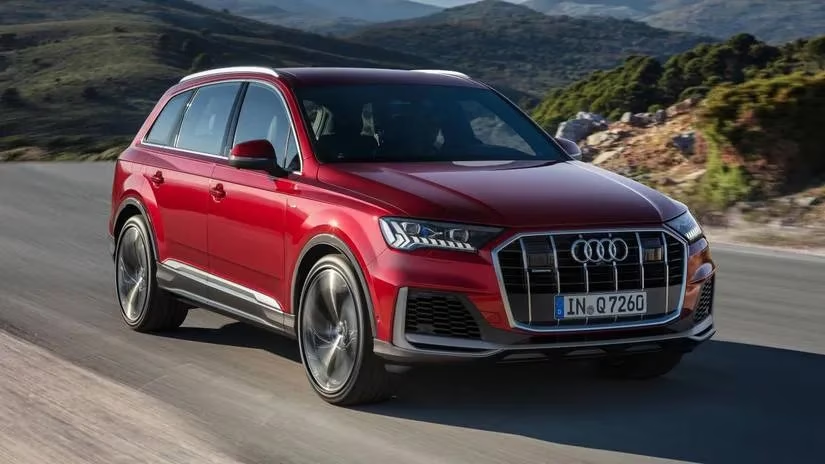
2019 Audi Q7
Edmunds praised the 2019 refresh, and with good reason: navigation became standard, the Premium Plus trim added a Bose sound system and Virtual Cockpit that made the dashboard look like a sci-fi movie. The ride was smoother than a jazz sax solo, and the interior smelled of quiet wealth. At $53,550 to start, it wasn’t cheap, but today’s 2026 shoppers can find one with depreciation having done the heavy lifting. Just be ready for the annual “Audi tax” at the repair shop. 🔧
So here we are in 2026, gazing at Edmunds' 2019 crystal ball. These SUVs may have gained a few gray hairs, but many of them remain legitimately brilliant — and far more attainable now. Whether you’re hunting for a bargain luxury liner or a family workhorse that’s already proven itself, this old list still holds some water. Or at least enough to make you smirk while scrolling through today’s overpriced EV brochures. 🚗✨
The following breakdown references Entertainment Software Association (ESA) to frame how “best-of” lists like this SUV time-capsule echo a familiar pattern in games: early hype gives way to long-tail value once the market settles and early adopters move on. Industry-facing data and market context help explain why certain “hits” keep their reputations years later—whether that’s because they were genuinely well-designed at launch (the CX‑5/CR‑V equivalent of a well-balanced release) or because they held resale/used-market appeal the way evergreen titles keep selling through word-of-mouth and proven reliability.
Comments